Finish
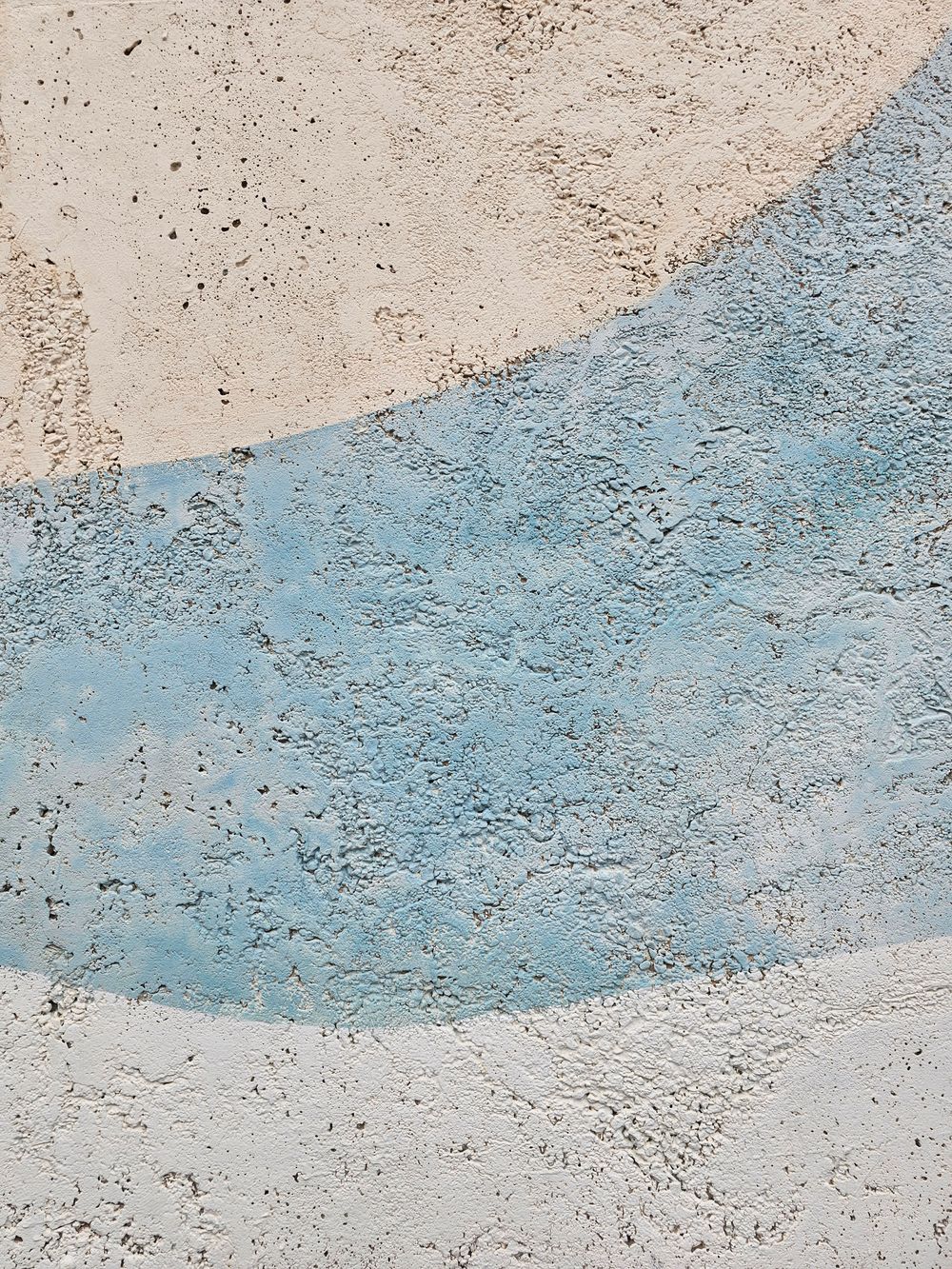
A broom finish gives traction and is the usual choice for driveways. Color and texture options exist, so tell us what you have in mind.
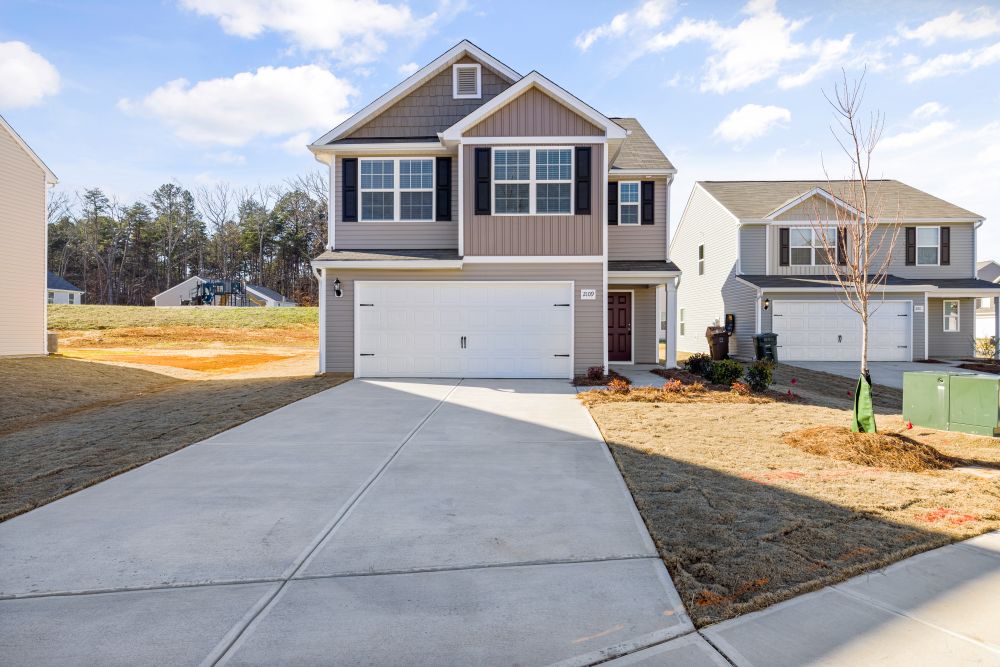
Concrete driveways
A poured concrete driveway is a clean, long-lasting surface. We prep the base, set the forms, pour and finish it.
A clean, solid surface
A concrete driveway looks simple, but how it is prepared, poured, jointed and cured decides how well it holds up. We take out what is there, build a firm base, set the forms to the right grade and pour and finish the slab.
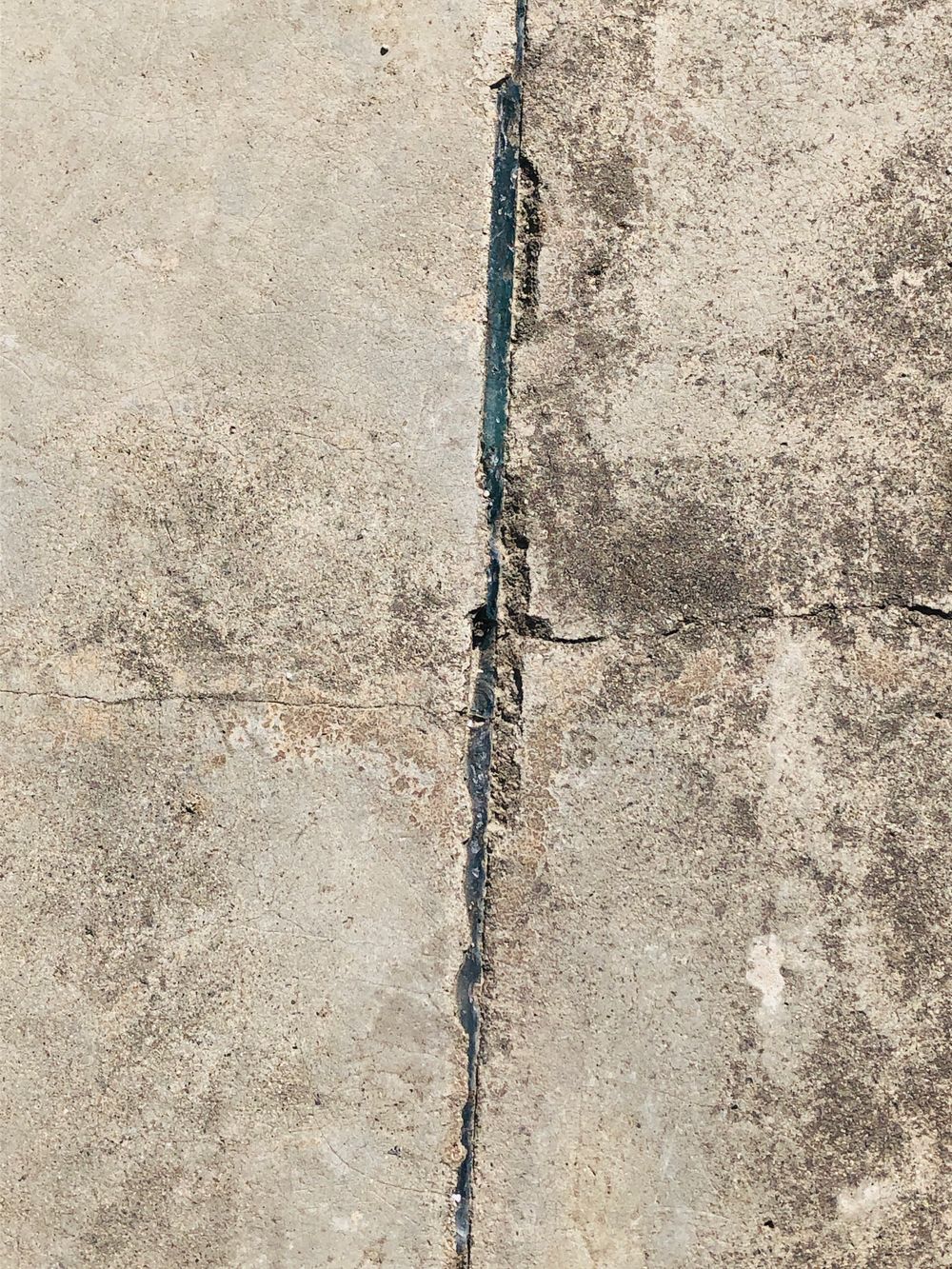
Concrete cracks. Every slab does as it dries and as the ground moves. Good work puts joints where you want the cracks to go, so the surface stays clean and even.
How it is built
Every step affects how long the driveway looks good.
We break out and haul away the old surface, then grade and compact the base. Poor subgrade preparation is one of the common causes of cracks.
Forms set the shape, the thickness and the slope. We pitch the surface so water runs away from the house and garage.
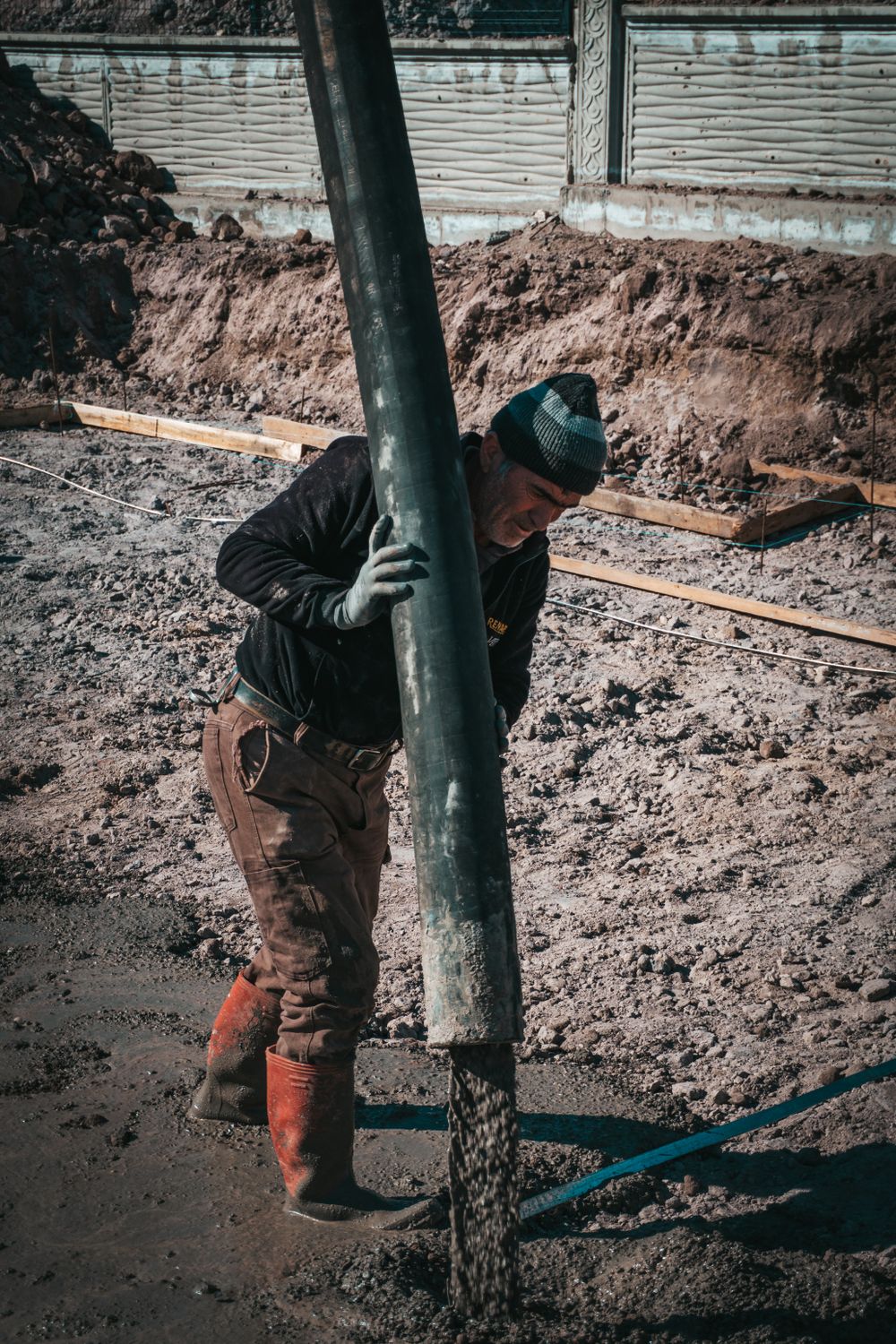
The concrete is placed, leveled and finished. We keep it at a workable consistency and do not add extra water on site, because it weakens the concrete and invites cracks.
Control joints are tooled or sawn at least a quarter of the slab thickness deep, usually within hours of finishing, so cracks follow the lines we choose.
The slab needs to stay moist for several days while it cures. We tell you when it is safe to walk on and when you can drive on it.
The details
Figures from concrete industry guidance (PCA, NRMCA) and ready-mix and trade sources. We set the final specs for your driveway.
Details
A broom finish gives traction and is the usual choice for driveways. Color and texture options exist, so tell us what you have in mind.
Wire mesh, rebar or fibers are optional, and different jobs call for different choices. Reinforcement is optional and varies by job. Joints are what steer cracks to the lines we choose.
Cracks come from drying shrinkage, temperature change, load and the ground under the slab. Joints, good prep and proper curing keep them to a minimum.
Photos
Stock photos for inspiration. Tap one to see it larger, then ask us what is possible in your yard.
Afterward
A sealer helps protect against stains and wear. Membrane sealers need redoing every few years, and penetrating sealers last longer. We will talk through what makes sense.
Pooling water or a soft edge are early warning signs. We can often fix drainage before it damages the slab.
Small cracks can be sealed. A section that has settled or broken can be replaced without redoing the whole driveway.
Related services
Most yards need more than one trade. These pair well with this one.
 Pavers
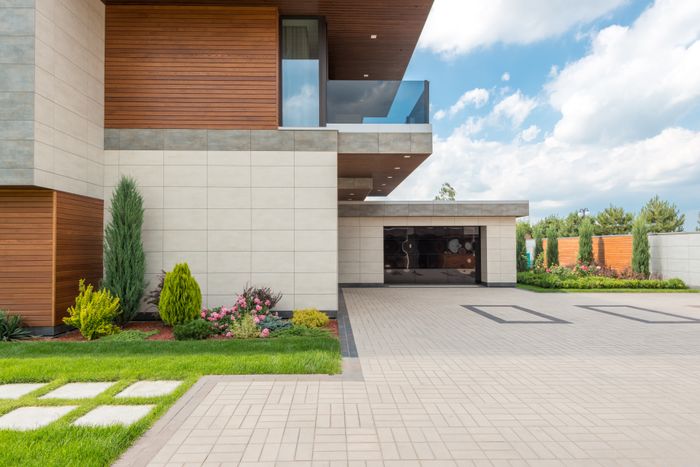
A paver driveway adds curb appeal and handles daily traffic. The base does the heavy lifting, so we build it deep and set the pavers tight.
See details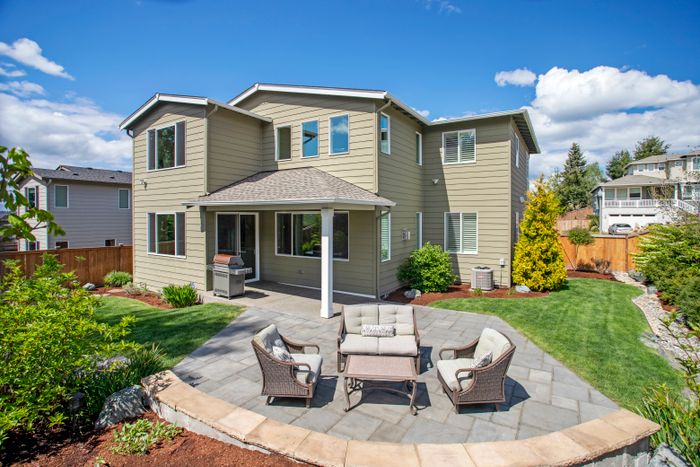 Concrete
Flat, smooth and built to last. Concrete patios, walkways, pads and slabs poured and finished to the shape you need.
See details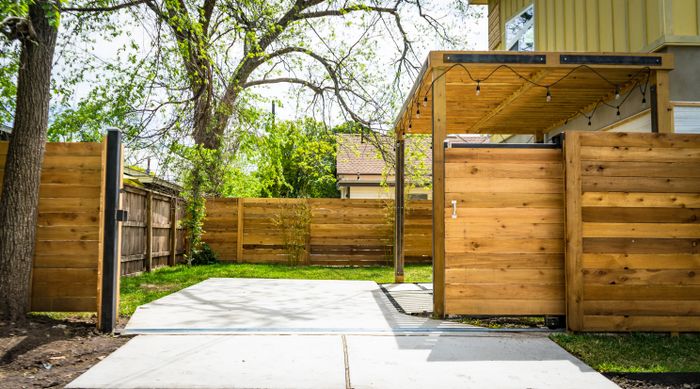 Fences
A wood fence brings privacy and gives your yard a clear edge. We set the posts, hang the rails and boards, and keep the lines straight.
See detailsWhere we work
Based in Menlo Park, working in 20 Bay Area cities. Pick yours to see what we build there.
Questions
Industry guidance puts the minimum at 4 inches for a driveway, with 5 inches or more for garbage trucks and other heavy vehicles. We will recommend the right thickness for what drives on yours.
Trade guidance is that foot traffic is usually fine after a day or two and cars after about 7 days. Heavier vehicles need longer. Weather changes the timeline, so we will tell you what to expect for your pour.
Concrete can crack as it dries and as the ground moves. We cut control joints so that cracks, if they come, follow the lines we chose, and we prepare the base and cure the slab properly to keep them to a minimum.
Menlo Park's building code lists driveways among the work that is exempt from a building permit, but work where the driveway meets the street, width limits and drainage rules can still need city approval. Other cities differ. We will point out what to check for your address.
Concrete usually costs less up front and takes little upkeep, but it can crack as the ground moves. Pavers cost more up front, come in more styles and can be repaired in sections. We will go over both at your free estimate.
Let's talk
Call, text, email or send a request. Tell us what you want to build and we'll set up a free estimate.
Free estimates for pavers, concrete and fences, from Menlo Park to the whole Bay Area.
Menlo Park, CA · Serving the whole Bay Area · Estimates are free
