Pattern
Herringbone is a common choice for driveways. Running bond and other patterns can work too, and we will tell you where each one fits.
Paver driveways
A paver driveway adds curb appeal and handles daily traffic. The base does the heavy lifting, so we build it deep and set the pavers tight.
Built for cars, not just looks
A driveway takes more weight, plus turning and braking, so it needs a deeper base, thicker pavers and a stronger edge than a patio. CMHA calls for at least 6 inches of compacted base for a residential driveway on well-drained soil, compared with 4 inches for a patio, and pavers 2 3/8 inches (60 mm) thick.
The ground matters just as much. Clay or poorly draining soil calls for a thicker base, and where water lingers in the soil, drain pipes and a fabric layer can help. We look at your ground at the free estimate, before we talk about numbers.

How it is built
The order matters. Each layer has to be right before the next one goes on.
We check slope, drainage and the soil, decide how far the driveway runs and where it meets the street, and agree on the pattern, color and borders.
Old concrete, asphalt or soft soil comes out so the new base has firm ground to sit on.
The base goes down in layers and is compacted hard. CMHA specifies compaction to at least 98% of standard Proctor density for a driveway base, and prefers the modified test under constant vehicle traffic.
About 1 inch of bedding sand, then pavers laid in a pattern. Herringbone is a common choice for driveways because its angled layout helps lock the pavers together.
Strong edge restraints keep the sides from spreading. The surface is compacted, joint sand is swept in and compacted again until the joints are full.
The details
Paver figures follow guidance from the Concrete Masonry & Hardscapes Association (CMHA, formerly ICPI). Your yard may need more than the minimums.
Design choices
Herringbone is a common choice for driveways. Running bond and other patterns can work too, and we will tell you where each one fits.
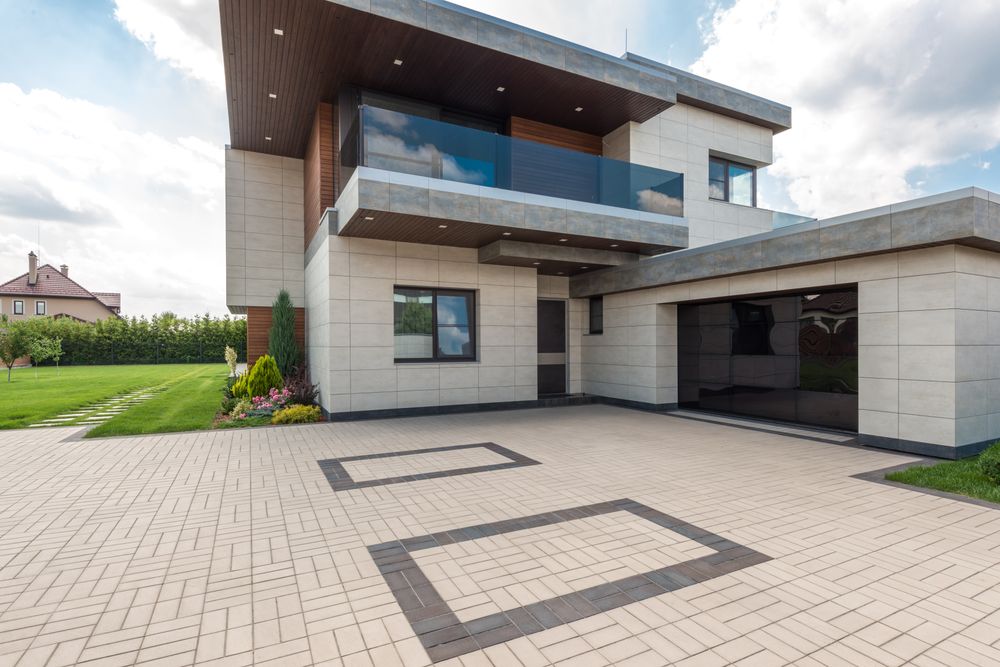
A border in a second color frames the drive. Inlay squares or bands can pick up the colors of the house.
The apron where a driveway meets the road is usually a city matter, with its own rules and permits. We will point out what to check for your address.
Photos
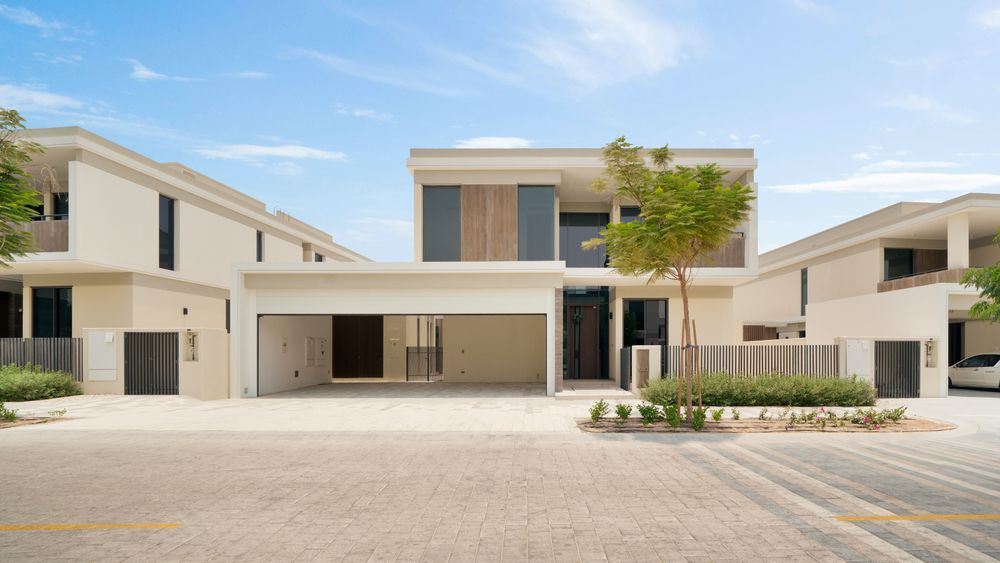
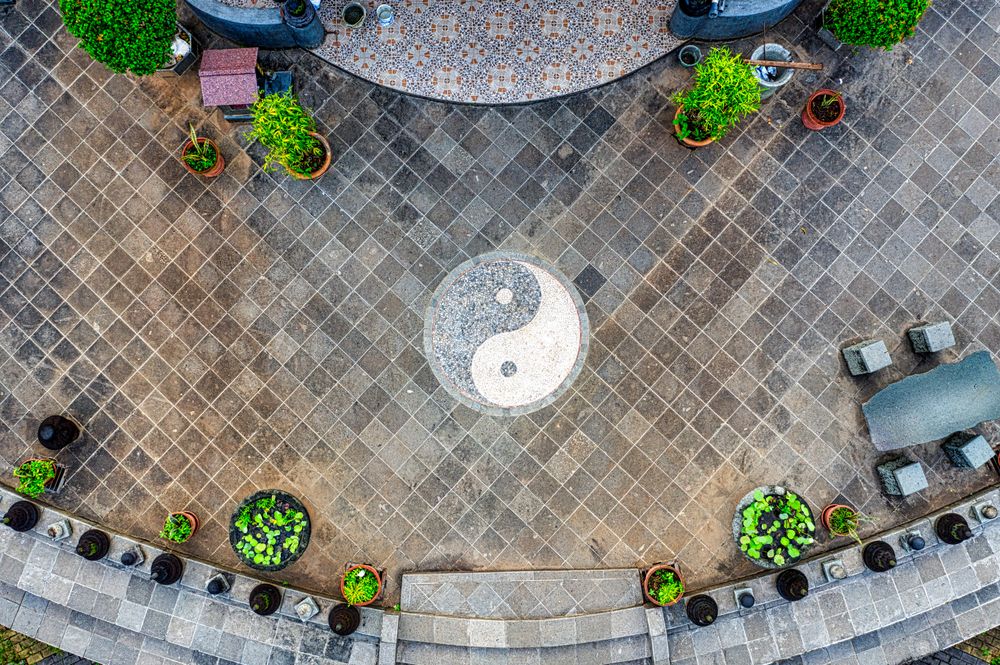
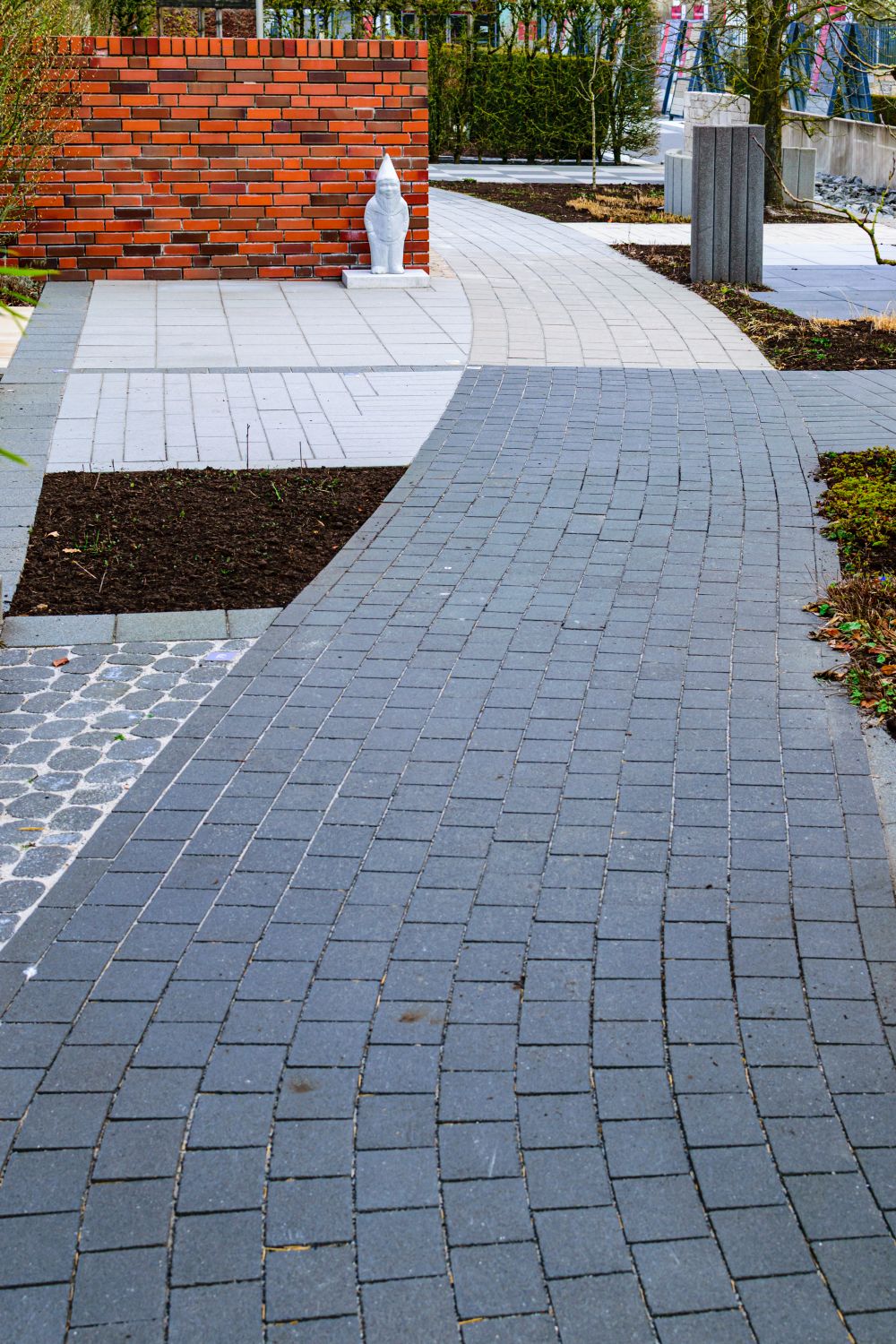
Stock photos for inspiration. Tap one to see it larger, then ask us what is possible in your yard.
Afterward
Fresh joint sand every so often keeps the pavers locked together.
Standing water or soft spots are early signs that something under the surface needs attention. Catching it early usually means a small repair.
If a section sinks, we can lift the pavers, rebuild that part of the base and set them again, rather than redoing the whole driveway.
Related services
Most yards need more than one trade. These pair well with this one.
 Pavers
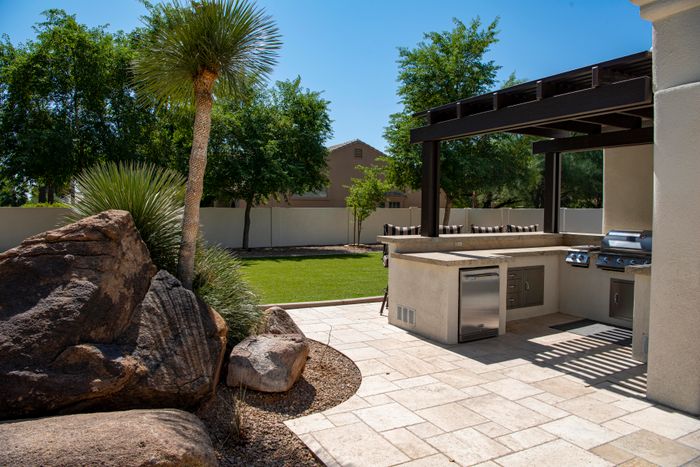
A paver patio gives you a flat, tough spot for dining, grilling and hanging out. We lay out the shape, build a compacted base, set the pavers and lock them in.
See details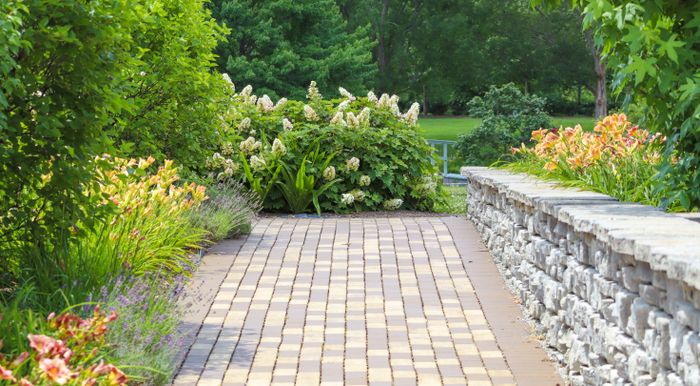 Pavers
Walkways and steps that feel good underfoot and stay easy to keep clean. Straight, curved or stepped to follow the lay of your yard.
See details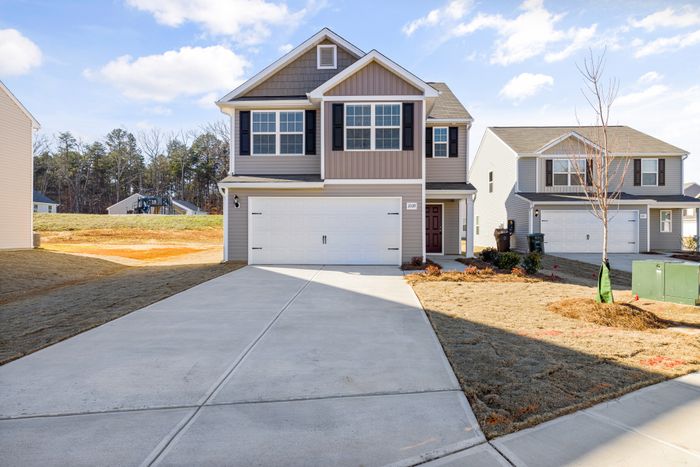 Concrete
A poured concrete driveway is a clean, long-lasting surface. We prep the base, set the forms, pour and finish it.
See detailsWhere we work
Based in Menlo Park, working in 20 Bay Area cities. Pick yours to see what we build there.
Questions
CMHA calls for at least 6 inches of compacted base for a residential driveway on well-drained soil. Weaker or poorly draining ground needs more, and we look at your ground before we give you numbers.
Pavers for driveways carry cars and light trucks. CMHA calls for 3 1/8 inch (80 mm) pavers and a thicker base for streets and heavy-duty use, so tell us if you have delivery trucks, an RV or equipment on the property.
Many cities don't require a building permit for the driveway itself, but they do regulate driveway width, the apron where it meets the street and how much of the front yard can be paved. Menlo Park's building code lists driveways among the work exempt from a building permit, but that doesn't cover other city rules. We'll point out what to check, and it is worth confirming with your city.
Pavers cost more up front, come in many styles and can be repaired one section at a time. Concrete usually costs less up front and takes little upkeep, but it can crack as the ground moves. We will go over both at the free estimate.
Yes. We take out the old surface, rebuild the base and lay the new pavers. If the old driveway failed because of drainage or a weak base, we fix that cause first.
Let's talk
Call, text, email or send a request. Tell us what you want to build and we'll set up a free estimate.
Free estimates for pavers, concrete and fences, from Menlo Park to the whole Bay Area.
Menlo Park, CA · Serving the whole Bay Area · Estimates are free
